
The Allure of Chance and Risk
The allure of casino gambling lies significantly in the thrill of uncertainty, where players often explore different avenues, including australian betting sites to enhance their experience. Humans are naturally drawn to risk, as it triggers the brain’s reward system. This interaction can release dopamine, a neurotransmitter associated with pleasure and motivation. When a player places a bet, the anticipation of winning creates an emotional high, similar to that experienced during other activities that generate adrenaline. The excitement associated with putting money on the line can stimulate a rush of joy or anticipation, which makes the gambling experience enticing.
The role of cognitive biases also plays a critical part in the psychology of gambling. Many individuals fall victim to the „gambler’s fallacy,“ where they believe that past results influence future outcomes in games of chance. For instance, a player who has witnessed several losses may believe they are due for a win, which fuels further gambling behavior. This cognitive distortion can lead to a cycle of betting that is hard to break, as players rationalize their choices based on flawed logic.
Furthermore, the social aspect of gambling can enhance its appeal. Casinos often create an environment filled with excitement and camaraderie, allowing individuals to share their experiences with others. This community aspect can encourage players to take risks they might not otherwise consider. The atmosphere is charged with energy, making it easy for participants to forget their worries, immerse themselves in the moment, and enjoy the experience of taking chances together.
The Role of Environment in Decision Making
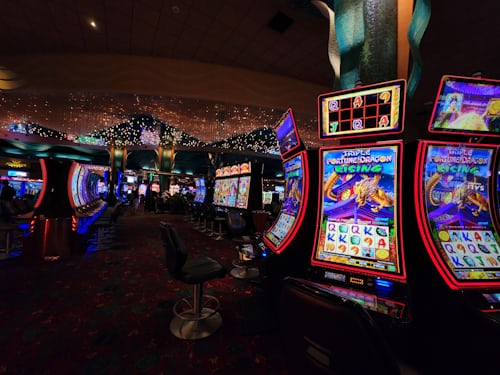
The physical environment of a casino is meticulously designed to influence behavior and decision-making processes. Bright lights, vibrant sounds, and comfortable seating contribute to a sensory-rich experience that can heighten excitement and distract from the reality of losses. Research suggests that these environmental cues can impair judgment and encourage players to make impulsive decisions. For instance, the availability of free drinks often results in decreased self-control among gamblers, leading them to wager more than they initially intended.
Moreover, the layout of a casino plays a significant role in a player’s behavior. Many casinos utilize a labyrinthine design, which makes it challenging for individuals to exit easily. This not only compels players to stay longer but also promotes continued betting as they navigate their surroundings. The lack of windows and clocks creates a disconnection from reality, making it easy for players to lose track of time and their spending.
Highly strategic marketing also contributes to the decision-making process in casinos. Promotional offers, loyalty programs, and jackpots appeal to the psychological desire for gain and adventure. Players are incentivized to return for the chance of hitting a big win, which reinforces their gambling behavior. This combination of environmental factors and psychological manipulation creates a compelling atmosphere that can easily draw individuals into extensive gambling sessions.
The Reward System and Gambling Addiction
The relationship between gambling and the brain’s reward system is a vital area of study when exploring the psychology of casino gambling. Winning activates the brain’s reward pathway, akin to the effects of illegal substances. The cycle of winning leads to increased dopamine levels, reinforcing the behavior and making it more likely that a person will gamble again. This process is characterized by positive reinforcement, which can quickly escalate into compulsive gambling if left unchecked.
Casino gambling can also lead to significant negative consequences, such as gambling addiction, which affects a large portion of the population. The Diagnostic and Statistical Manual of Mental Disorders recognizes gambling disorder as a behavioral addiction, noting how it can disrupt one’s personal, social, and occupational functioning. Individuals struggling with this condition may experience cravings similar to those seen in substance use disorders, making it difficult to resist the urge to gamble even when they understand the harm it may cause.
Understanding the psychology behind gambling addiction is crucial for creating effective treatment options. Cognitive-behavioral therapy has shown promise in helping individuals reframe their thoughts and break the cycle of compulsive gambling. Education on the nature of chance and risk, alongside support groups, can aid in recovery by highlighting shared experiences and offering community support. Recognizing gambling addiction is the first step toward recovery, and comprehensive support systems can make a significant difference in the lives of those affected.
Social Influence and Gambling Behavior
Social factors significantly impact gambling behavior, with peer influence playing a central role in shaping an individual’s decision to gamble. Studies indicate that individuals are more likely to engage in gambling activities when surrounded by friends or family who also partake in betting. The desire to fit in or seek approval can prompt individuals to gamble more than they typically would, leading to increased risk-taking behaviors. This social dynamic emphasizes the power of group norms in the context of gambling.

Furthermore, cultural beliefs and societal attitudes towards gambling can shape perceptions around its acceptability. In areas where gambling is viewed positively or as a social activity, individuals may be more inclined to participate. Conversely, in communities where gambling is stigmatized, players may engage in betting secretly or develop feelings of shame. Such differing attitudes can influence the prevalence and nature of gambling behaviors across various demographics and locations.
Social media has also emerged as a new avenue for influencing gambling behavior. Gamblers can share their wins and losses online, creating a virtual community that reinforces gambling. Many online platforms promote gambling-friendly content, making it easy for individuals to engage with gambling-related topics. This digital presence can normalize gambling and make it more accessible, which may lead to increased participation and longer gambling sessions.
Understanding Casino Culture and Website Resources
The culture surrounding casinos is a complex interplay of excitement, risk, and community. Casinos are often depicted as glamorous venues where fortunes can be made, attracting individuals with the promise of wealth and entertainment. This cultural narrative often overshadows the risks associated with gambling, making it essential for potential players to educate themselves about responsible gaming practices. Awareness of the psychological and social factors influencing gambling can serve as a protective barrier against potential addiction.
Websites dedicated to gambling education provide valuable insight into the mechanics of gambling and its psychological underpinnings. Such platforms often offer resources on responsible gaming, including tips for setting limits and recognizing signs of problem gambling. By fostering a deeper understanding of the risks and rewards associated with gambling, these websites aim to empower individuals to make informed choices while participating in gambling activities.
Furthermore, community resources that focus on addiction support and recovery can help those struggling with gambling problems. These resources often provide tools, information, and connections to support groups that can aid in recovery. Understanding casino culture, combined with access to educational resources, creates a foundation for a healthier approach to gambling, ultimately leading to safer and more enjoyable experiences for individuals in the gambling world.